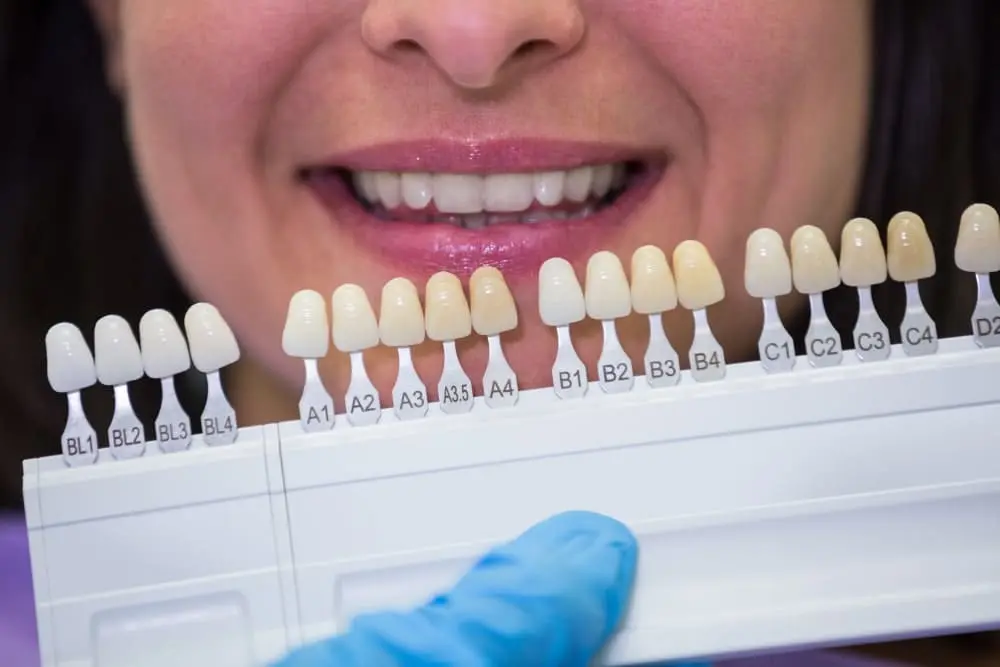
A beautiful smile has the power to boost confidence, enhance first impressions, and positively influence both personal and professional interactions. Dental veneers have become one of the most popular cosmetic dentistry solutions for achieving a bright, even, and youthful smile. However, while veneers are designed to be durable and long-lasting, they are not maintenance-free. Proper care is essential if you want your investment to look as stunning years from now as it did on day one.
Understanding the correct care for dental veneers is crucial for preserving their appearance, preventing damage, and extending their lifespan. Many people mistakenly believe veneers are invincible because they are crafted from strong materials like porcelain or composite resin. In reality, veneers still require thoughtful daily habits, professional check-ups, and lifestyle awareness to remain in excellent condition.
In this comprehensive guide, we will explore everything you need to know about caring for your veneers, from daily oral hygiene routines to dietary considerations, long-term maintenance strategies, and professional care. Whether you have recently enhanced your smile or are considering veneers in the future, this article will help you protect your results and enjoy a radiant smile for years to come.
Considering a smile makeover? Learn how dental veneers can transform your smile.
Understanding Dental Veneers and Why Proper Care Matters
Dental veneers are thin, custom-made shells designed to cover the front surface of teeth. They are commonly used to correct discolouration, chips, minor misalignment, gaps, and worn enamel. Veneers are popular because they offer natural-looking results while requiring minimal alteration to the original tooth structure.
Despite their strength, veneers rely on the health of the underlying teeth and gums. Poor oral hygiene, excessive pressure, or unhealthy habits can compromise both the veneer and the tooth beneath it. Proper care for dental veneers ensures that the bonding remains intact, the surrounding gums stay healthy, and the veneers continue to look natural and stain-free.
Patients seeking Dental Veneers in Box Hill often choose veneers as a long-term cosmetic solution, making proper maintenance even more important. With the right approach, veneers can last anywhere from 10 to 15 years or more.
Daily Oral Hygiene: The Foundation of Veneer Care
Maintaining excellent oral hygiene is the cornerstone of veneer longevity. Veneers may not decay, but the natural teeth underneath them certainly can. Daily brushing and flossing help prevent plaque buildup, gum disease, and decay at the veneer margins.
Brush your teeth at least twice a day using a soft-bristle toothbrush. Harsh bristles can wear down the veneer surface and irritate the gums. A non-abrasive toothpaste is also essential, as abrasive formulas may dull the veneer’s shine over time.
Flossing should never be skipped. Plaque and food particles can accumulate between teeth and along the gum line, potentially leading to inflammation or decay. Caring for your gums is just as important as caring for the veneers themselves, as healthy gums frame your smile and support long-term oral health.
Choosing the Right Products for Veneers
Not all oral care products are suitable for veneers. While whitening toothpastes may seem appealing, many contain abrasive ingredients that can damage the veneer surface. Instead, opt for products recommended by your dentist that are specifically designed to be gentle yet effective.
Mouthwash can be beneficial, but alcohol-free formulas are best. Alcohol-based rinses may weaken the bonding material over time. Your dentist may recommend a fluoride rinse to strengthen the natural teeth beneath the veneers and protect against decay.
The right tools and products play a significant role in maintaining cosmetic teeth veneers, helping them retain their smooth finish and natural appearance.
Dietary Habits That Protect Your Veneers
What you eat and drink has a direct impact on the longevity of your veneers. While porcelain veneers are stain-resistant, the bonding material and composite alternatives can still be affected by dark-coloured foods and beverages.
Limiting coffee, tea, red wine, and dark sauces can help prevent staining, especially if you have composite veneers. If you do consume staining foods or drinks, rinsing your mouth with water afterwards can minimize their effects.
Hard foods pose another risk. Chewing ice, hard lollies, or unpopped popcorn kernels can chip or crack veneers. Although veneers are strong, they are not designed to withstand excessive force.
Habits to Avoid for Long-Lasting Veneers
Certain habits can significantly shorten the lifespan of veneers. Teeth grinding and clenching, also known as bruxism, place excessive pressure on veneers and can lead to cracks or fractures. If you grind your teeth at night, wearing a custom night guard is highly recommended.
Using your teeth as tools for opening packaging or biting fingernails is another common cause of veneer damage. These habits can weaken the veneer structure and compromise the bonding.
By being mindful of these behaviours, you can protect both cosmetic veneers and your natural teeth.
Discover the long-term benefits of dental veneers and how regular professional care helps maintain a healthy, confident smile.
Professional Dental Visits and Veneer Maintenance
Routine dental visits are essential for monitoring the condition of your veneers. During professional cleanings, your dentist uses specialised tools and techniques that safely clean veneers without causing damage.
Dentists also examine the integrity of the veneer bonding, check for signs of wear, and ensure that the surrounding gum tissue remains healthy. Early detection of minor issues can prevent more extensive and costly repairs in the future.
Patients with cosmetic dentistry treatments such as composite veneers or porcelain alternatives benefit greatly from consistent professional care.
Understanding Different Types of Veneers and Their Care Needs
Not all veneers are the same, and care requirements can vary slightly depending on the material. Composite veneers, for example, are more affordable and can often be applied in a single visit, but they may be more susceptible to staining and wear than porcelain options.
- Porcelain veneers are highly durable and stain-resistant, making them a popular choice for long-term cosmetic enhancement. However, they still require gentle care to avoid chipping or damage.
- Temporary veneers, often used while waiting for permanent ones, require extra caution. They are not as strong and can be easily dislodged if exposed to excessive force or sticky foods.
Understanding your specific veneer type allows you to follow tailored care for dental veneers that supports long-term success.
Maintaining a Bright, Natural Appearance
While veneers are designed to look natural, maintaining their brightness requires consistent care. Regular professional cleanings help remove surface stains and polish veneers, restoring their original shine.
It’s important to remember that veneers do not respond to traditional whitening treatments. If you desire a brighter smile, consult your dentist before attempting any whitening products to avoid uneven results.
White veneers can maintain their brilliance for many years when combined with good hygiene, mindful dietary choices, and regular dental care.
Gum Health: The Unsung Hero of Veneer Longevity
Healthy gums are essential for a beautiful smile. Gum recession can expose the edges of veneers, affecting both aesthetics and function. Proper teeth brushing technique, flossing, and professional cleanings help maintain strong, healthy gums.
If you notice redness, swelling, or bleeding, it’s important to consult your dentist promptly. Addressing gum issues early helps protect both your veneers and natural teeth.
When to Seek Professional Advice
If you experience discomfort, sensitivity, or notice changes in the appearance of your veneers, do not delay seeking professional care. Small chips, cracks, or bonding issues can often be corrected easily when addressed early.
Cosmetic dentistry is not just about aesthetics; it also supports long-term oral health. Regular communication with your dentist ensures your veneers continue to function and look their best.
Final Thoughts on Caring for Your Veneers
Dental veneers are a powerful way to enhance your smile, but their longevity depends largely on how well they are maintained. By practising excellent oral hygiene, avoiding harmful habits, attending regular dental visits, and following professional advice, you can enjoy a radiant, confident smile for many years.
Whether you have cosmetic teeth veneers for aesthetic enhancement or are exploring cosmetic dentistry solutions, understanding the importance of proper care is the key to lasting results.
Get expert advice for your smile and connect with the friendly dental team at uSmile Dental Club to discuss veneer care. Book Your Appointment Now!
Frequently Asked Questions (FAQs)
How long do dental veneers last with proper care?
With correct care for dental veneers, porcelain veneers can last 10–15 years or longer, while composite options may last around 5–7 years.
Can veneers stain over time?
Porcelain veneers are highly stain-resistant, but composite materials and bonding agents can stain if exposed to dark foods and drinks regularly.
Do veneers require special cleaning techniques?
No special techniques are required, but gentle brushing, non-abrasive toothpaste, and daily flossing are essential.
Are veneers suitable for people who grind their teeth?
Yes, but a protective night guard is often recommended to prevent damage from grinding or clenching.
Can damaged veneers be repaired?
Minor chips or bonding issues can sometimes be repaired, while severely damaged veneers may need replacement depending on the extent of damage.